
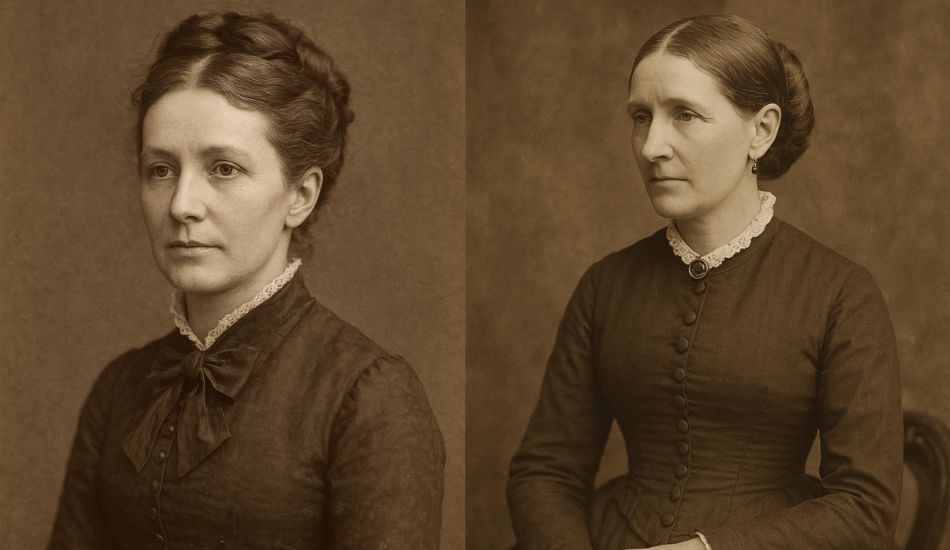
Kythie Caroline Mackenzie: The Scottish Matriarch Behind the Ogilvy Legacy
Kythie Caroline Mackenzie, also spelled Kythe or Kythé, was a 19th-century Scottish woman whose name is tied to two respected families — the Mackenzies of Scotland and the Ogilvys of England. Born in the early 1830s, she lived through a time when family background, education, and social reputation defined one’s place in society.
While she didn’t live her life in the public eye, Kythie’s significance lies in her role as a bridge between two prominent families. Through her marriage to Francis Mackenzie Ogilvy, she became the link between two long-established lineages. Her story offers a glimpse into how family traditions and values shaped personal lives during the Victorian era.
Early Life and Background
Kythie Caroline Mackenzie was born on 24 January 1833 in Edinburgh, Scotland. Her parents were John Mackenzie and Mary Jane Inglis, both of whom came from respected Scottish families.
Her father, John Mackenzie, belonged to Gairloch, Ross and Cromarty, a region deeply associated with Clan Mackenzie — one of Scotland’s historic Highland clans. Her mother, Mary Jane Inglis, was born in Edinburgh and likely raised within a cultured, educated household. This mix of Highland and Lowland heritage gave Kythie a balanced upbringing that valued both tradition and intellect.
In 19th-century Scotland, family values, faith, and education played a central role in shaping identity. While there are no detailed records of her education, it’s safe to assume that Kythie received the kind of instruction typical for young women of her background — focused on reading, writing, literature, and household management. Such training prepared women to manage family life and participate in social gatherings with grace and intelligence.
The Mackenzie Heritage
The Mackenzie family held a long-standing reputation in Scottish history. The clan was known for loyalty, courage, and leadership during key moments in Scotland’s past, including the Jacobite uprisings. Although by the 19th century the clan’s political power had declined, its social influence remained strong.
The family motto, “Luceo Non Uro” — meaning “I shine, not burn” — reflected the Mackenzies’ belief in enlightenment, perseverance, and resilience. For Kythie, being part of this lineage meant inheriting a legacy of strength and dignity that carried through her personal life and family values.
Marriage to Francis Mackenzie Ogilvy
Kythie Caroline Mackenzie married Francis Mackenzie Ogilvy on 12 April 1865. Their marriage joined two established families: the Highland Mackenzies and the noble Ogilvys. Francis came from the distinguished Ogilvy family, which had deep roots in Scottish nobility dating back to medieval times.
The union between Kythie and Francis was more than just a personal connection — it represented the merging of two strong family traditions. During the Victorian era, such marriages often symbolized shared values, social alignment, and the desire to preserve heritage.
Kythie and Francis lived a comfortable life, likely dividing their time between Scotland and London. Their household reflected the customs of the time — disciplined yet warm, with emphasis on family, education, and faith.
The Ogilvy Connection
The Ogilvy family played a prominent role in Scottish history. Several branches of the family held noble titles, including the Earl of Airlie and Lord Ogilvy. The family’s legacy was built on leadership, service, and a deep sense of national pride.
Although Francis Mackenzie Ogilvy’s branch of the family was not titled, it remained well-connected to other noble circles. Many members of the Ogilvy family were involved in education, arts, and public service during the 19th century — marking a shift from military prestige to intellectual and cultural influence.
By marrying Francis, Kythie became part of this extended legacy. Her children and descendants would carry both the Mackenzie spirit and the Ogilvy intellect forward into the next generations.
Children and Family Life
Kythie and Francis Mackenzie Ogilvy raised several children, continuing both family lines. Their known children include Francis John Longley Ogilvy (born in 1867) and others named Mary I.S. Ogilvy, Lisette Ogilvy, Alice M. Ogilvy, Ian D. Ogilvy, Harry H. Ogilvy, and Louis William Ogilvy.
Among them, Alison Ogilvie (1871–1918) stands out as one of their most mentioned descendants in genealogical records. Alison lived through the late Victorian and early Edwardian eras, witnessing the changing roles of women in society and the early steps toward independence and education reform.
Through their children, Kythie and Francis extended their family’s influence across generations. Their descendants maintained the family’s tradition of education and respectability — values that had long defined both the Mackenzies and the Ogilvys.
Life in Victorian Britain
To understand Kythie’s life, it’s important to consider the time she lived in. The Victorian era (1837–1901) was marked by strict social rules and a strong sense of duty. Women like Kythie were expected to manage households, support their husbands, and raise well-mannered children.
Although women had limited rights, they often played key roles within their homes and communities. Kythie likely managed social gatherings, charitable activities, and family affairs with care and responsibility. Her position as a wife and mother in a respected family would have come with both privilege and pressure to uphold her family’s reputation.
In her later years, Kythie lived in Paddington, London, a developing area that became home to many upper-middle-class families. She passed away there on 8 July 1900, at the age of 67.
Relationship with Alison Ogilvie
One of the key figures in Kythie’s family line is her daughter, Alison Ogilvie. Born in 1871, Alison grew up in a world that was slowly modernizing. While Kythie had lived under strict Victorian expectations, Alison experienced the dawn of women’s empowerment and education reform in Britain.
Their mother-daughter relationship, though not recorded in letters or diaries, can be imagined through the lens of the time — one of guidance, mentorship, and mutual respect. Kythie’s influence likely shaped Alison’s upbringing and values, ensuring that the family legacy continued with pride and purpose.
Her Legacy and Influence
Kythie Caroline Mackenzie’s influence didn’t come from public fame or wealth but from her quiet strength and family devotion. Her greatest legacy lies in the lives of her descendants, who carried forward the values of the Mackenzie and Ogilvy families.
Her marriage united two respected Scottish bloodlines, blending their traditions and ensuring their continuation into modern times. For historians and genealogists, Kythie represents an important link — a woman who helped preserve cultural and family continuity during one of the most transformative centuries in British history.
Though little has been written about her beyond genealogical records, her presence in family archives ensures she is not forgotten. The Mackenzie motto, “Luceo Non Uro,” could well apply to her — she shone quietly but enduringly, leaving her mark through family and heritage.
Death and Remembrance
Kythie Caroline Mackenzie passed away on 8 July 1900 in Paddington, London, closing a chapter on a life that spanned major changes in Britain — from the industrial revolution to the dawn of the modern age. She lived through immense social transformation but remained rooted in her values and heritage.
Her memory survives through family documents, genealogy databases, and the continuing interest of historians exploring the Ogilvy and Mackenzie lines. While no grand monument marks her grave, her legacy endures through the families that bear her name and lineage.
Conclusion
Kythie Caroline Mackenzie may not appear in history books, but her story represents countless women whose quiet strength shaped their families and preserved traditions. She was the daughter of John Mackenzie and Mary Jane Inglis, the wife of Francis Mackenzie Ogilvy, and the mother of Alison Ogilvie — roles that formed the foundation of her identity.
Her life connected two great families and symbolized the values of love, loyalty, and legacy that defined her era. Today, her descendants and historians alike look back at her story as part of Scotland’s rich cultural fabric — a reflection of how family ties can carry history forward.
For more fascinating stories about influential families and historical lives, visit Megacine, where heritage meets storytelling.
.