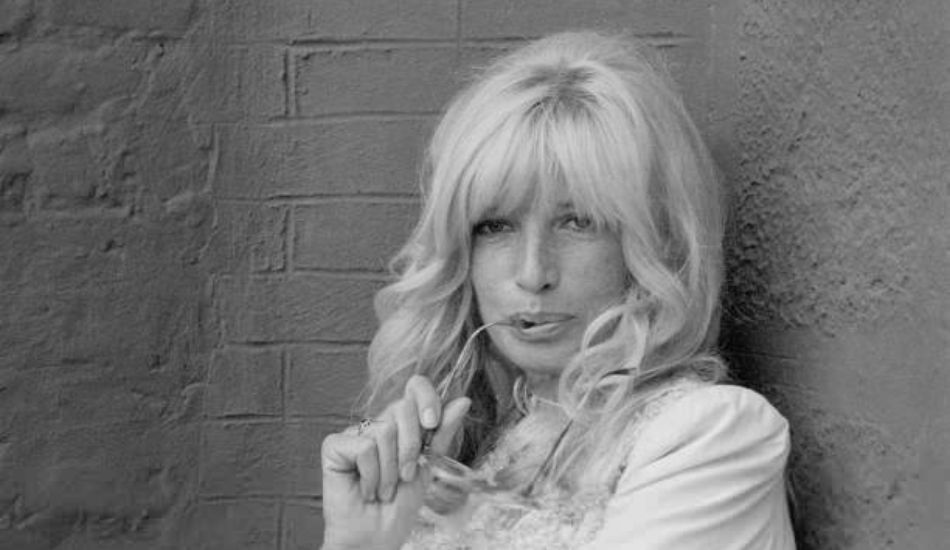
Monica Vitti: Queen of Italian Cinema
Monica Vitti, born Maria Luisa Ceciarelli on 3 November 1931 in Rome, was one of Italy’s most celebrated actresses, revered both in art-house cinema and popular film. She studied acting at Rome’s National Academy of Dramatic Arts, graduating in 1953, and soon launched a remarkable career on stage and screen.
Vitti adopted her stage name from her mother’s maiden name, Vittiglia, transforming it into “Vitti” to form her professional identity. Over her long career, she became not just a film star but a cultural icon, especially linked with the director Michelangelo Antonioni, with whom she made some of her most defining work.
Early Life and Rise to Fame
Growing up in Rome in the 1930s and 1940s, Monica Vitti discovered her love for performance early. She participated in amateur theater as a teenager and went on to formally train in dramatic arts. Soon after graduating, she toured with acting troupes and performed in stage plays, including works by Machiavelli and classic European dramatists.
Her film debut came in 1954 with a small part in Ridere! Ridere! Ridere! (Laugh! Laugh! Laugh!), under the name Maria Luisa Ceciarelli. But it wasn’t long before she caught the eye of Michelangelo Antonioni, a director who would become both her muse and, for a time, her romantic partner.
Monica Vitti Movies: Iconic Roles and Career Highlights
Monica Vitti’s filmography is rich and varied, but she is best remembered for her landmark collaborations with Antonioni in the early 1960s. These films, often called his “tetralogy of incommunicability,” included:
-
L’Avventura (1960) — Vitti stars as Claudia, a woman entangled in emotional alienation, in a story about a missing friend.
-
La Notte (1961) — She plays Valentina, navigating a marriage in crisis.
-
L’Eclisse (1962) — As Vittoria, she embodies modern disconnection and existential angst.
-
Red Desert (Il deserto rosso, 1964) — She plays Giuliana, a woman alienated in an industrial, colorless world.
These films cemented her reputation as a serious, introspective actress. Antonioni’s sparse, atmospheric style required a delicate balance of emotion and reserve — qualities Vitti delivered perfectly.
In the mid-1960s, she ventured into English-language cinema. Her best-known English-language film is Modesty Blaise (1966), a spy spoof in which she played the title role alongside Terence Stamp and Dirk Bogarde.
By the 1970s, Vitti shifted more into comedy. She demonstrated great comic timing and versatility, starring in films such as Polvere di Stelle. She also appeared in Tigers in Lipstick (1979), an anthology comedy directed by Luigi Zampa.
Later, in 1983, she starred in Flirt, directed by her long-term partner, Roberto Russo. Her final major film came in 1989 when she wrote, directed, and starred in Scandalo Segreto (Secret Scandal), a semi-autobiographical story about betrayal, love, and self-reflection.
Monica Vitti’s Personal Life and Family
Vitti was notoriously private about her personal life. She was born to Adele Vittiglia (mother) and Angelo Ceciarelli (father). She didn’t have children, but she maintained close relationships with her family—especially her nieces and nephews.
Her long-term partner was Roberto Russo, a photographer and filmmaker. They began their relationship around 1975 and later married in 1995. Russo directed her in several projects, including Flirt and Francesca è Mia. She also had a personal and artistic relationship with Michelangelo Antonioni during her career.
Monica Vitti’s Age, Birthday, and Later Years
-
Birthday: 3 November 1931
-
Age at death: 90, passed away on 2 February 2022 in Rome
In later years, Vitti largely withdrew from public life. She reportedly suffered from dementia, similar to Alzheimer’s disease, which contributed to her seclusion from the public eye.
Monica Vitti’s Death
Monica Vitti’s death on 2 February 2022 was met with sorrow across Italy and internationally. She was widely remembered as the “Queen of Italian Cinema” and praised for her extraordinary contributions to film. Her health challenges in her final years kept her away from public appearances, but her legacy endured through her films and lasting cultural impact.
Net Worth and Legacy
Reliable public information about Monica Vitti’s net worth is limited, and exact figures are not widely documented. However, her influence and contributions to cinema are unquestionable. She won five David di Donatello Awards for Best Actress and seven Italian Golden Globes for Best Actress during her career. In 1995, she received a Career Golden Lion at the Venice Film Festival, recognizing her lifetime achievements in film.
Her legacy is also seen in fashion and style. Known for her platinum-blonde hair, distinctive voice, and elegant presence, Vitti became a style icon whose image continues to inspire fashion retrospectives.
The “Monica Vitti Vespa” Question
There is no documented evidence linking Monica Vitti specifically to Vespa scooters. While her image and persona were often associated with elegance and Italian culture, any “Vespa” connection appears anecdotal or symbolic rather than factual. She remains celebrated primarily for her cinematic work and style.
Monica Vitti: Her Old Age, Health, and Family
As she grew older, Monica Vitti chose to step back from the spotlight. She spent her final decades living privately, focusing on her family and close personal relationships. Her husband, Roberto Russo, and her relatives were central to her life in these later years. Even in private, she maintained the elegance and charm that had defined her public persona for decades.
Why Monica Vitti Matters
Monica Vitti’s impact on cinema and culture is profound:
-
Art-house Icon: Her collaborations with Antonioni are considered classics of modernist cinema.
-
Versatile Talent: She seamlessly transitioned from serious drama to comedic roles.
-
Fashion and Style: Her image and elegance continue to inspire.
-
Privacy and Mystery: Her selective public appearances enhanced her mystique.
-
Awards and Honors: Multiple national and international accolades reflect her high standing in film.
Vitti’s story is one of artistic courage, personal integrity, and a lifelong dedication to her craft.
Final Thoughts
Monica Vitti remains one of the most memorable actresses in the history of cinema. From Maria Luisa Ceciarelli to screen legend, she carved out a career that bridged existential drama and lighthearted comedy. Whether portraying alienation in Antonioni films or delivering infectious charm in comedies, she brought a uniquely human presence to every role.
At Megacine, we celebrate Monica Vitti not just as the “Queen of Italian Cinema,” but as a timeless artist whose influence continues to resonate through film and culture decades after her passing.