
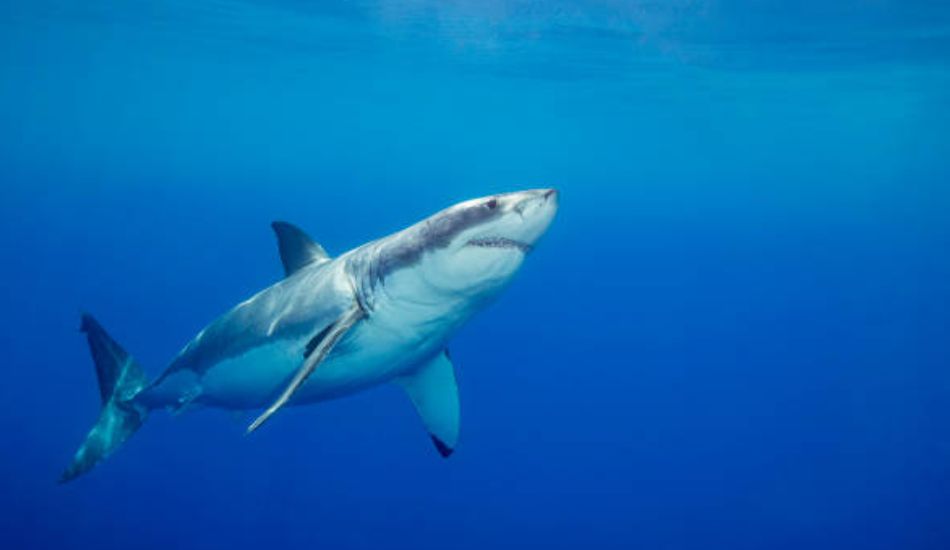
Scary Fish: Deep Sea Monsters of the Ocean
The ocean is home to some of the most bizarre, terrifying, and fascinating creatures on the planet. Among them, “scary fish” stand out as a mysterious group of predators, many of which inhabit the dark, unexplored depths of the seas. From bioluminescent lures to venomous spines, these fish have evolved unique adaptations that make them not only fascinating but also spine-chilling. In this article, we dive deep into the world of the ocean’s most intimidating fish.
Why Some Fish Look Scary
Humans often consider fish scary because of their unusual appearances or dangerous traits. In the deep sea, where sunlight barely penetrates, evolution favors unusual features such as enormous teeth, glowing lures, transparent bodies, and odd body shapes. Many “scary fish” are perfectly adapted to this extreme environment, where survival is a constant challenge, and food is scarce. Some are dangerous to humans, while others simply look frightening due to their alien-like forms.
1. Black Seadevil (Deep-Sea Anglerfish)
One of the most famous deep-sea predators, the black seadevil (Melanocetus johnsonii), is an anglerfish known for its glowing lure. This bioluminescent appendage dangles above its mouth, attracting unsuspecting prey directly into its cavernous jaws. Its teeth are long, sharp, and capable of piercing prey with ease, making it a perfect ambush predator.
Rarely seen near the ocean surface, black seadevils usually dwell in extreme depths. Their bodies are soft, almost gelatinous, which helps them conserve energy in the low-food environment of the deep sea. The black seadevil’s combination of bioluminescence, gaping jaws, and terrifying teeth has made it a classic symbol of the ocean’s hidden horrors.
2. Viperfish
Viperfish (Chauliodus genus) is another deep-sea predator that evokes fear due to its enormous fang-like teeth. These teeth are so large that they protrude even when its mouth is closed, creating an almost skeletal appearance. Viperfish inhabit depths ranging from 200 to 5,000 meters and use photophores — light-producing organs — to lure prey in the darkness.
The viperfish’s terrifying appearance is matched by its hunting efficiency. It waits for prey to approach its light, then snaps its jaws shut with incredible speed. Its bioluminescence, teeth, and predatory strategy make it one of the most intimidating fish in the ocean.
3. Prince Axel’s Wonderfish (Thaumatichthys axeli)
The wonderfish lives at depths around 3,600 meters. Unlike most predators, it has a forked light organ inside its mouth to attract prey. Its teeth are comb-like and curve inward, making escape nearly impossible for any unlucky fish that ventures too close. Despite its menacing appearance, specimens are relatively small, reaching about 50 centimeters.
The wonderfish’s internal glow and trap-like mouth make it a perfect example of how deep-sea evolution can create creatures that seem more fantasy than reality.
4. Hagfish
Hagfish, such as Eptatretus deani, are jawless scavengers that defend themselves with one of the ocean’s most unusual adaptations: slime. When threatened, they release a thick, sticky mucus that can suffocate predators or clog their gills. Hagfish can tie themselves into knots to remove slime or tear pieces of food from carcasses, an adaptation that adds to their creepy reputation.
While not aggressive hunters, their appearance, slimy defense, and scavenging habits make them one of the ocean’s grossest and eeriest creatures.
5. Stonefish
Stonefish (Synanceia horrida) is one of the most venomous fish in the world. Its dorsal spines inject potent venom when disturbed, potentially causing severe pain or even death. Camouflaged to look like a rock or piece of coral, the stonefish is nearly invisible on the ocean floor, making accidental contact with humans a significant hazard.
Its combination of invisibility, venom, and sedentary behavior earns it a spot among the scariest fish alive.
6. Goblin Shark
The goblin shark is sometimes called the “living fossil” due to its primitive features. Its elongated, flattened snout gives it an alien-like appearance, while its jaws can snap forward to catch prey. Goblin sharks inhabit deep waters off the coasts of Japan, New Zealand, and parts of the Atlantic, and their rare sightings make them both mysterious and terrifying.
7. Fangtooth and Ultra-Black Fish
Fangtooth fish and other ultra-black deep-sea species absorb almost all light, rendering them nearly invisible in the darkness. Fangtooth fish have massive teeth relative to their body size and are formidable predators despite their small stature. Their ultra-black skin helps them stay hidden, making them terrifying ambush hunters.
8. Vampire Squid (Not a True Fish but Scary)
Although technically a cephalopod, the vampire squid (Vampyroteuthis infernalis) is often associated with scary fish due to its name and appearance. It inhabits low-oxygen zones in the deep sea and has bioluminescent organs and long, claw-like filaments. Despite its horror-inspired name, it feeds on detritus and not blood, yet its glowing body and strange morphology make it one of the most eerie creatures of the deep ocean.
Why the Deep Sea Breeds Scary Fish
The deep ocean is an environment with unique challenges: low light, high pressure, and limited food. These conditions drive adaptations that seem alien to humans. Bioluminescence is used for luring prey or communication; huge teeth and expandable jaws allow fish to eat large prey; camouflage and ultra-black skin enable ambush hunting. Each adaptation has a survival purpose, even if it looks nightmarish to us.
Human Encounters and Fascination
Scary fish rarely interact with humans due to the depths at which they live. However, the few encounters, such as black seadevil footage or deep-sea expeditions capturing viperfish and fangtooth, fuel fascination and fear. Documentaries, social media videos, and marine biology research often highlight these creatures as examples of nature’s most bizarre and terrifying designs.
Scary Fish in Popular Culture
Deep-sea monsters inspire horror movies, documentaries, and even video games. Anglerfish-like creatures appear in animated films as terrifying predators, while goblin sharks have been featured in deep-sea horror documentaries. Their grotesque appearance and mysterious habits make them natural sources of fear and intrigue, blending real science with fantasy.
Conservation and Awareness
Despite their frightening appearances, many scary fish are poorly understood. Deep-sea ecosystems are fragile and increasingly affected by human activities such as deep-sea mining and overfishing. Understanding these creatures is crucial for marine conservation efforts. Protecting them helps maintain biodiversity and the delicate balance of oceanic food chains.
Conclusion
Scary fish are not just bizarre; they are extraordinary examples of adaptation and survival in one of Earth’s most extreme environments. From the bioluminescent black seadevil to the venomous stonefish, these creatures embody the alien nature of the deep sea. They are a reminder that the oceans hold mysteries far beyond our imagination, blending fear, beauty, and scientific wonder.
For more fascinating insights into the deep-sea world and other incredible marine creatures, visit my blog site Megacine.