Sinkom: The Next Wave of Synchronization, Communication, and Modularity
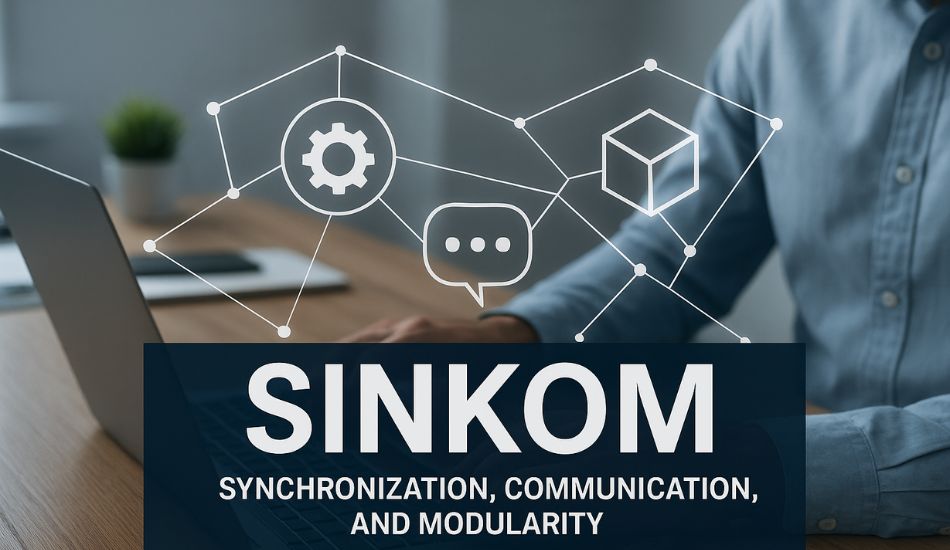
In today’s fast-moving digital world, the way systems, businesses, and even individuals connect has changed dramatically. One concept that has started gaining attention across various sectors is Sinkom. Though still new to mainstream audiences, the term “Sinkom” stands for the combination of Synchronization, Communication, and Modularity—three foundational pillars that power efficient systems, modern workflows, and innovative products.
Whether we’re talking about technology infrastructure, business management, or even product design, the Sinkom approach is shaping the next era of connected efficiency. Let’s explore what Sinkom is, how it works, and why it’s becoming a game-changer for organizations and industries around the world.
What Is Sinkom?
The term Sinkom merges three vital operational principles:
-
Synchronization — aligning processes, systems, or devices to work in perfect timing.
-
Communication — ensuring data and information flow seamlessly among components.
-
Modularity — designing systems in independent but connectable parts for scalability and flexibility.
In simple words, Sinkom is about building smart, adaptable systems that “talk” to each other efficiently. It can be a philosophy, a framework, or even a product depending on its context.
Some sources describe it as a technology platform that integrates multiple processes, while others refer to it as a design methodology for software, business, or physical systems. Regardless of its form, the idea remains consistent: streamline operations through smart connection and synchronization.
The Core Philosophy Behind Sinkom
The foundation of Sinkom lies in three key pillars:
1. Synchronization
Synchronization ensures that all parts of a system—whether people, machines, or processes—operate at the same rhythm. In a digital environment, synchronization minimizes lag, avoids duplication, and increases productivity. For example, in business software, synchronized data prevents departments from working with outdated information.
2. Communication
Communication drives collaboration. Sinkom emphasizes clear and efficient communication between system components—this could mean apps sharing data or teams exchanging insights instantly. Effective communication enhances coordination and ensures that every module or team contributes to a unified goal.
3. Modularity
The modular nature of Sinkom means each part of a system can function independently yet fit perfectly into a larger whole. This flexibility allows businesses or systems to evolve without needing to rebuild everything from scratch. Think of it like LEGO blocks—each one works alone but becomes more powerful when combined.
The Evolution and Growing Popularity of Sinkom
The concept of Sinkom is relatively new, but its principles are rooted in long-standing technological and organizational practices. As companies shifted toward remote work, cloud-based tools, and modular systems, the need for synchronization and communication became critical.
This led innovators and technology developers to conceptualize Sinkom as an integrated solution—a modern approach combining these three essential qualities under one framework.
In recent years, several startups and businesses have begun to apply the Sinkom model in software architecture, manufacturing workflows, and even digital collaboration platforms.
Key Features of Sinkom
Sinkom stands out for several features that make it adaptable to multiple industries:
-
Scalability — Systems based on Sinkom principles can grow without performance drops.
-
Integration-Friendliness — Sinkom is compatible with legacy and modern technologies.
-
Reliability — Modular and synchronized systems are easier to maintain and less prone to total failure.
-
Efficiency — Reduces process bottlenecks and enhances communication speed.
-
Flexibility — Modules can be added, removed, or upgraded independently.
How Sinkom Works in Practice
Sinkom systems function through interconnected modules that communicate in real-time. Each module performs a specific task, but synchronization ensures that all tasks are executed in harmony.
For instance, in a business environment:
-
The Sales module updates orders.
-
The Inventory module adjusts stock in real time.
-
The Finance module records transactions automatically.
This interlinked system prevents errors and ensures all departments stay on the same page—a perfect demonstration of synchronization and communication working together.
Applications of Sinkom Across Industries
1. Information Technology
Tech companies use Sinkom-inspired frameworks for developing cloud platforms, IoT systems, and microservices. It helps applications communicate seamlessly, improving performance and user experience.
2. Business Management
Enterprises adopt Sinkom models to improve internal communication, resource allocation, and project management. The modular structure allows teams to operate independently while staying synchronized with company goals.
3. Healthcare
Hospitals use Sinkom-based systems for connecting departments like diagnostics, pharmacy, and patient records—leading to faster data sharing and better patient care.
4. Education
Online learning platforms apply Sinkom principles by connecting learning modules, assessments, and student data systems for synchronized learning experiences.
5. Manufacturing
In industrial production, synchronization between machines, logistics, and supply chains improves efficiency and reduces downtime.
6. Blogging and Online Communities
Interestingly, some modern blogging platforms use the Sinkom concept to create integrated ecosystems where creators, readers, and tools communicate effortlessly—improving engagement and content delivery.
Benefits of Sinkom Implementation
-
Enhanced Productivity:
By reducing delays between processes, organizations achieve faster outcomes. -
Seamless Collaboration:
Communication between teams and systems fosters better coordination. -
Cost Efficiency:
Modular systems are cheaper to maintain, repair, or upgrade compared to monolithic ones. -
Improved Decision-Making:
Real-time synchronization of data means leaders can make quicker, more informed decisions. -
Innovation-Ready:
The modular nature allows easy integration of new technologies or features without full redesigns. -
Data Consistency:
Synchronization ensures all systems reflect the same accurate information.
Challenges of Sinkom
Despite its strengths, Sinkom isn’t without challenges:
-
Complex Setup: Initial implementation requires detailed planning and expert coordination.
-
Training Needs: Employees and users must understand how modular and synchronized systems function.
-
Over-Communication Risks: Too many connected systems may lead to information overload.
-
Maintenance Costs: Modular systems require continuous monitoring to maintain synchronization.
However, these challenges can be mitigated with proper strategy, phased rollout, and continuous optimization.
Real-World Examples and Case Studies
-
Tech Startup Integration:
A software firm implemented Sinkom architecture in its product pipeline, reducing project delivery times by 30% and improving error tracking. -
Educational Institution:
A university applied Sinkom systems in their e-learning setup, synchronizing student data, course materials, and feedback systems. This led to higher engagement rates and smoother operations. -
Home Product Line:
In another context, a brand launched “Sinkom” as a modular drainage product line that simplified installation and maintenance, illustrating the versatility of the term across industries.
The Future of Sinkom
As technology continues to evolve, Sinkom’s relevance will only grow. The global shift toward automation, smart devices, and interconnected ecosystems aligns perfectly with Sinkom’s principles.
Businesses that embrace synchronization and modular communication are better positioned to handle market disruptions, scale efficiently, and adapt to rapid changes.
Over time, Sinko may become a universal model for structuring systems that are smart, resilient, and sustainable.
How to Adopt the Sinkom Framework
Here’s a practical guide for organizations looking to apply Sinko principles:
-
Evaluate Current Systems:
Identify bottlenecks in synchronization, communication gaps, and rigid structures. -
Plan Modular Design:
Break large systems into smaller, manageable components. -
Implement Communication Tools:
Use real-time communication systems that keep all modules connected. -
Monitor and Optimize:
Continuously assess synchronization quality and module efficiency. -
Scale Gradually:
Start small, test synchronization in limited areas, then expand to full operations.
Sinkom as a Mindset
More than a technical concept, Sinkom is a mindset of collaboration and connected growth. It teaches organizations to think beyond silos, to communicate clearly, and to build flexible systems.
Whether you’re running a tech startup, a manufacturing plant, or an online platform, adopting Sinko principles can transform the way you operate.
Final Thoughts
The power of Sinko lies in its simplicity—bringing synchronization, communication, and modularity together to build smarter, faster, and more connected systems. From technology firms to educational platforms, this concept is driving innovation and improving efficiency globally.
As industries continue to evolve, adopting Sinkom’s approach could become essential for staying competitive and future-ready.
To stay updated with more insightful articles like this, visit Megacine, where innovation meets knowledge.